
Thinking Animation Book Forewords
Thinking Animation was fortunate to have the book forewords written by Floyd Norman (traditional 2D animator for Walt Disney Feature Animation and Hanna-Barbera Productions) and Richard Taylor (director, designer, and CG pioneer).
Foreword by Floyd Norman
The theater was pitch-black as we made our way to our seats. I held my mother’s hand because I couldn’t see a thing in front of me. Once in our seats, I looked up at the towering screen and saw something I’ll never forget. This was no ordinary movie, and the images on the screen were clearly not real. Yet they were hyper-real in a unique kind of way.
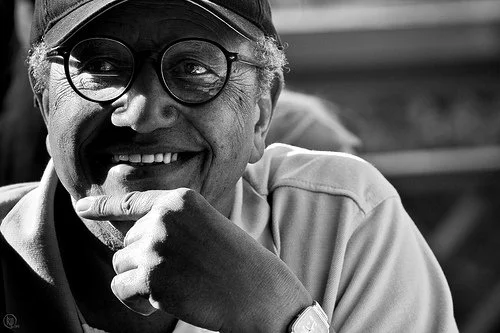
Floyd Norman
The motion picture being screened that afternoon was Walt Disney’s Bambi, and it was the first animated cartoon feature I had ever seen. Keep in mind, this was the 1940s, and television had not yet invaded our lives. The only way one saw an animated film was in a theater.
Though only a small child, I knew the images I was watching were colored drawings. Yet these amazing drawings moved with life, had personality, and spoke clever dialogue. What kind of magic was this, I wondered?
Whatever it was, this was something I wanted to do. This was something I had to do.
That desire to bring life to pencil drawings has never left me. From my first animated scribbles in junior high school to viewing my early test footage at the Walt Disney studio, I continually remain in awe of moving drawings.
Over the years, I’ve been privileged to work with and learn from the best in the business. Masters whose work I enjoyed as a child were generous enough to share their years of experience with me. Yet knowledge can come from the most unlikely of places, so I’ve learned from kids as well as codgers. That’s because we all shared the same passion and continually searched for ways to improve our art.
This book continues that search, and you’ll find yourself a better animation artist because of it. That blank sheet of pegged paper on your animation desk needn’t engender fear or trepidation because it’s an incredible challenge. It is the opportunity to create, for lack of a better word, magic.
— Floyd Norman
Animator and Story Artist
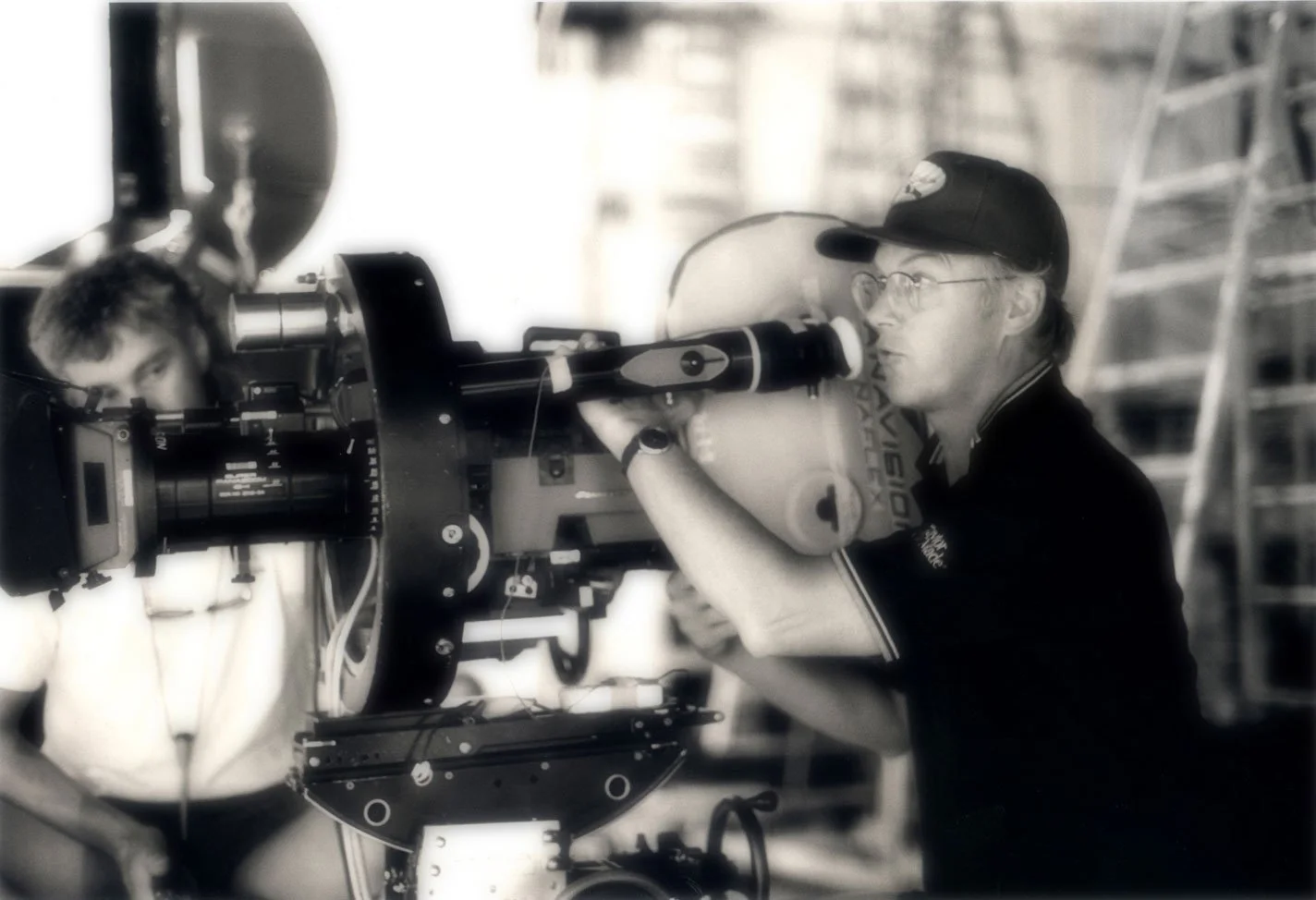
Richard Taylor
Foreword by Richard Taylor
This book has been lovingly crafted by two talented animators who enjoy their work and recognize the value of knowing the history, the art, and the craft of animation. Jamie and Angie have pooled the knowledge of some truly talented professionals to help convey to the artist, animator, historian, or fan the combination of technology, art, discipline, and heart that it takes to succeed as a contemporary animator.
What a phenomenal time this is in the evolution of animation and film. We are surrounded daily by some of the most complex visual imagery ever created. Whether in print, movies, television, games, or on the internet, our lives are filled with images of extraordinary complexity.
Today, almost any image a filmmaker can imagine can be realized. Some dreams cost more than others, but the tools now exist that allow artists, animators, and filmmakers to create photo-real illusions and fantasy characters that entertain and amaze us in films such as Titanic, The Incredibles, Shrek, Jurassic Park, King Kong, The Lord of the Rings, Harry Potter, The Matrix, Alien, Terminator, Blade Runner, Star Wars, and Tron.
Films packed with astonishing visual effects are released from studios every year and appear weekly on television. The technological tools used to create this imagery continue to improve rapidly as they become faster, better, and more accessible.
Tron is an interesting example. I served as a co-visual effects supervisor on the film when it was released in 1982. Tron was the motion picture that introduced the world to computer imaging. I have therefore been involved with computer animation since its first use in the film industry. I have watched as art and technology merged to create one of the most powerful visual tools in human history.
Computer-generated imagery (CGI) is now the primary tool used to create visual effects and animated features. If there is one thing I have learned over the years, it is that computers and software do not create these fantastic images. A computer is like a Steinway piano. It is an instrument. It is the artist who plays the instrument who brings it to life.
So how does someone become an animator who is comfortable with the latest technology yet still works with the spirit and freedom of traditional hand-drawn animation? This book addresses that question and offer many answers.
Production designers, directors, animators, and other legendary artists in the film industry tend to share several traits. They know how to draw. They study art and the history of their craft. They spend time with their peers. They remain objective. And they strive to learn something new every day.
But the most important trait they share is self-discipline.
Artists in painting, photography, music, dance, and animation engage in an ongoing relationship with their craft. They invest energy in the process every day, and in return the process teaches them something new. The more you work at an art form, the more it reveals to you. This exchange is the source of both happy accidents and remarkable discoveries.
For those who love animation and wish to pursue it as a career, this book introduces fundamental skills and ideas.
Learn to draw 2D animation. Hand-drawn animation allows the animator to exaggerate elasticity and personality. Drawing by hand creates rhythm and flow that are difficult to achieve through purely digital methods. It is through drawing that the human spirit of the animator can truly emerge.
Dedicated animators observe the world around them. They study how things move. They analyze body language and recognize that certain gestures communicate emotion and intent.
A true animator brings life and personality not only to characters but to anything. A teapot, a tree, a lamp, or a chair can all be given personality and emotion in the hands of a skilled artist.
Drawing is essential to all the arts, particularly animation. Structure, design, composition, gesture, camera angle, location, sets, and props all begin with drawing. Concept sketches, storyboards, and character studies often start as quick sketches on a napkin or scrap of paper before an idea disappears.
You have probably heard the phrase “A picture is worth a thousand words.” In filmmaking and games, it can be worth thousands of dollars.
Technology has always influenced the arts. Advances in technology often inspire artists to explore new creative directions. New ideas, images, and forms of animation emerge that, as I like to say, remind you of something you have never seen before.
If you truly want to become an animator, begin now. Read this book. Then continue practicing the fundamental skills of animation and learning to observe and interpret the magical movements of life.
— Richard Taylor