

LESSONS: TEN THINGS TO THINK ABOUT
listen
1. Think and Plan the Shot
Gather or create a reference and physically act out the scene.
Write down precise observations about behavior, timing, and intent.
Sketch gestures and thumbnails that capture key storytelling moments.
Describe the motion using at least three strong action words.
Share early ideas with others and invite feedback.
Spend time analyzing what the character wants and what stands in the way.
2. Exploration
Keep the idea simple so the message reads instantly.
Avoid loading storytelling poses with multiple concepts at once.
Push yourself to explore several solutions before committing to one.
Visualize the entire shot, from first frame to last, before animating.
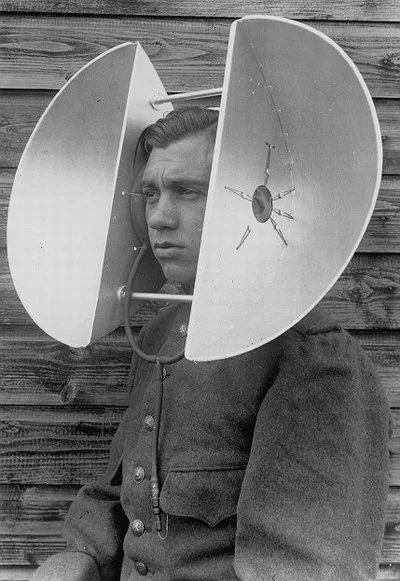
3. Listen
Listen for intent, not just instructions. What problem is being solved?
Ask clarifying questions before animating, not after notes are given.
Paraphrase the direction back to your lead or director to confirm alignment.
Pay attention to what is not being said — hesitation, emphasis, or emotional subtext.
Listen to dialogue repeatedly until timing and meaning feel inevitable.
Stay open during notes. Defensiveness blocks understanding.
Use listening to adjust decisions early, before work compounds.
Common Listening Mistakes
Hearing instructions but missing the underlying intent
Jumping into Animation before confirming understanding
Defending work instead of absorbing the note
Focusing on how to execute rather than why the change is needed
Ignoring pauses, tone, or emphasis in dialogue
Treating notes as corrections instead of guidance
Waiting until Polish to address the unclear direction
Reminder:
Good listening reduces revisions. Great listening prevents them.
Signs You're Actively Listening
You can clearly restate the note in your own words
Your first pass already addresses the core concern
You ask fewer follow-up questions later in the process
Your work changes in the right direction, not just a direction
Notes get smaller instead of multiplying
Your timing improves before the polish begins
Leads and directors trust you with broader direction
You spend less time reworking and more time refining
Bottom line:
When you're truly listening, the work moves forward with less friction.